How to Choose a Private City Tour in Barcelona
A private city tour in Barcelona should feel less like a race past famous sights and more like a day shaped around your interests. The city rewards curiosity: a quiet lane in the Gothic Quarter, a sudden view from a hill, a building detail that makes a familiar square click. Choosing the right tour is mostly about matching the format to the way you want to spend your time.
The process is simple when it is broken into decisions. Start with the purpose of the tour, then narrow the route, the guide style, the timing, access, and the practical details. Each choice affects the next one, so it helps to settle the big questions before comparing individual options.
1. Decide what you want from the day
Begin with the reason you want a private tour at all. Some visitors want a clear introduction to the city, with the major landmarks placed in context. Others want a themed route built around architecture, food, history, photography, or neighbourhood life. A family may need short walking stretches and frequent stops, while a couple may prefer a slower route with time for coffee and viewpoints.
Write down two or three priorities before looking at itineraries. If La Sagrada Familia is essential, say so. If you care more about old streets and local atmosphere, make that the centre of the request. A private tour works best when the starting point is your interests rather than a fixed list of stops.
Watch for vague descriptions that promise "the best of Barcelona" without saying how the day is structured. Broad wording can be fine, but it should be backed by a clear route or a conversation about what matters to you. A good fit usually becomes obvious when the tour description speaks to the same things you listed as priorities.
2. Choose the route and keep it realistic
Barcelona is compact in places, but it is not a city to rush on foot. A route that tries to cover every famous district can leave you tired and short of time. Pick a small number of anchor points, then allow space between them. guided walking routes are useful because they connect places in a logical order, yet they still need breathing room.
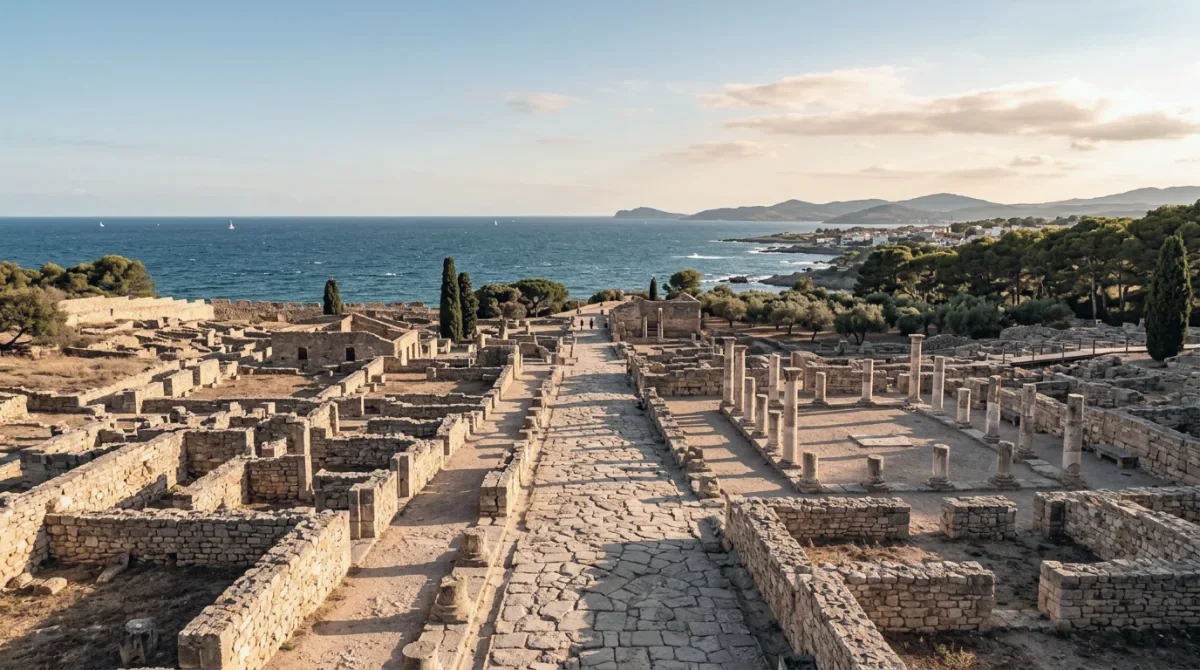
For a first visit, a sensible route might combine the Gothic Quarter, a cathedral area, a viewpoint, and one major attraction. For a repeat visit, a deeper neighbourhood focus may be more rewarding. If Park Güell is included, check how the route reaches it and how much walking or climbing is involved. Hill areas can add effort even when the distance on a map looks modest.
Watch for routes that place several major sites in a single morning with no mention of entry times, queues, or rest stops. That kind of plan can look efficient on paper but feel frantic in practice. Ask whether the order can be changed if a site is busy or if weather affects the comfort of certain streets.
3. Match the guide style to your group
local guide expertise is one of the main reasons to book a private tour, but expertise alone is not enough. The delivery style matters too. Some guides are strong storytellers who bring history to life through detail and context. Others are better at answering precise questions, explaining architecture, or adjusting the pace for children.
Think about how your group likes to receive information. Do you want a steady commentary throughout the walk, or short explanations followed by time to look around? Do you enjoy conversation and questions, or a more structured presentation? A private format should make it easier to set that tone in advance.
Watch for a mismatch between the group and the format. A dense historical narrative may not suit young children, while a very light, photo-focused route may disappoint someone hoping for deeper context. If there are mixed interests in the group, say so early. A flexible guide can usually balance them better than one following a fixed script.
4. Check entry arrangements and time control
Some tours are purely walking routes through public spaces. Others include entry to attractions where timed tickets matter. skip-the-line access can be valuable at busy sites, but the term is often used loosely, so check what it actually means for the place you want to visit. In some cases it changes the entry queue, not the security process or the need to arrive at a set time.
When comparing private city tours barcelona, look closely at what is included in the schedule. A tour that lists a famous monument may still only view it from outside. That can be perfectly fine if the exterior, history, and surroundings are the point. It becomes a problem when you assume interior entry is part of the plan.
Watch for unclear timing. Ask how long the tour lasts, whether that time includes breaks, and where it begins and ends. If the end point is far from where you are staying, factor in the return journey. A well-planned tour should leave you with enough energy and time for the rest of the day.
5. Decide whether transport belongs in the plan
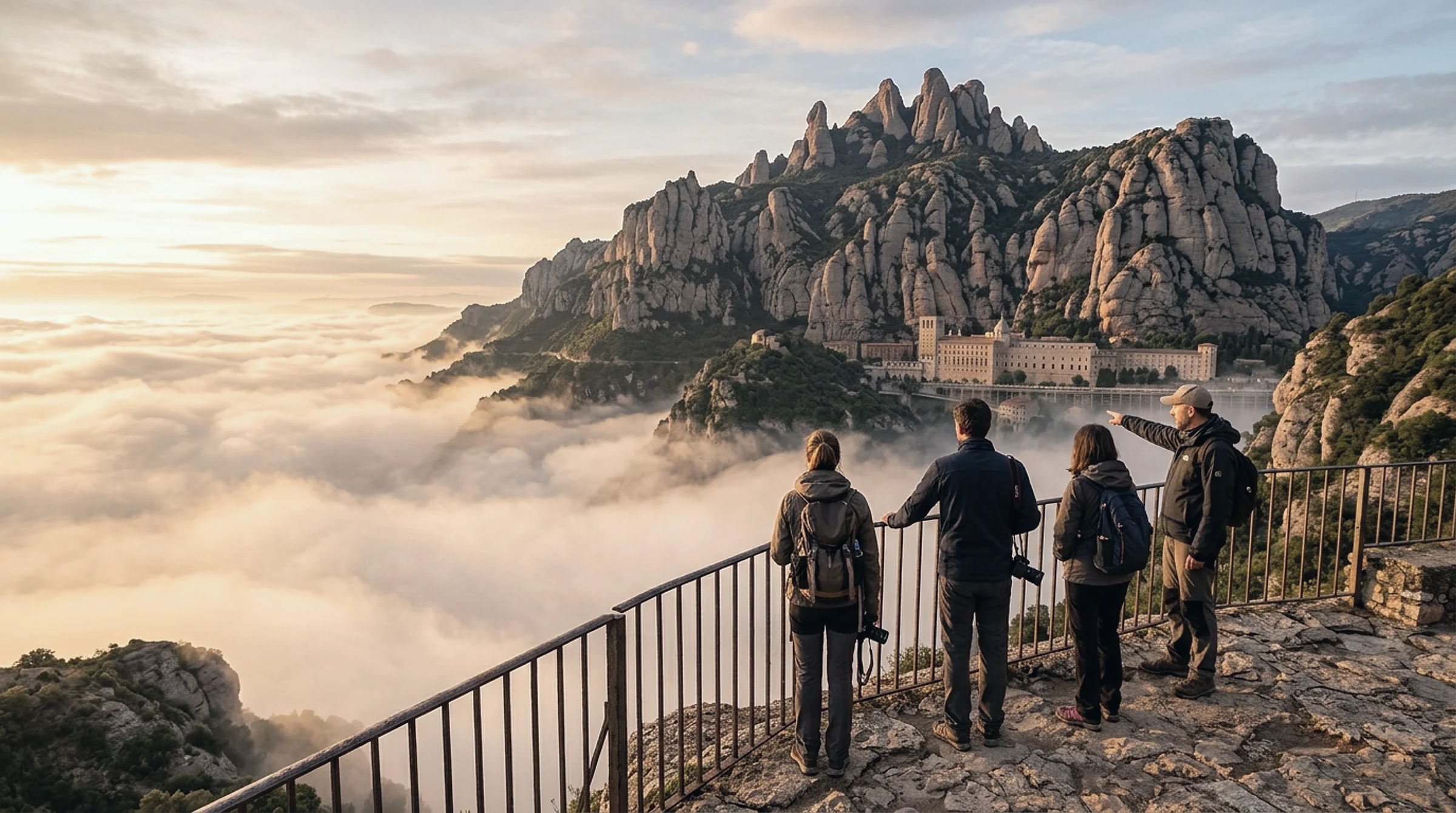
Walking is often the best way to understand Barcelona, especially in the older streets and around plazas. Yet not every route should be on foot. A private chauffeur can help when the day includes sites spread across the city, when mobility is a concern, or when the group wants to cover more ground without tiring everyone out.
Transport also changes the feel of the tour. A car gives comfort and control, but it can separate you from the street life that makes the city memorable. A mixed approach can work well: walking in the central areas, then using a vehicle for longer transfers between districts or hillside stops.
Watch for routes where transport is mentioned but pickup, waiting, and drop-off details are missing. Clarify whether the vehicle is part of the guided experience or simply a transfer between stops. Also check whether there are restrictions at certain sites that affect where a vehicle can stop.
6. Set the level of customisation
customised itineraries are useful when your interests are specific or your schedule is tight. A private tour does not need to be fully custom from scratch, but there should be room to adjust the route, pace, and focus. Tell the organiser what you want to see, what you want to avoid, and any practical limits such as stair tolerance or meal breaks.
Give clear boundaries. If you only have a half day, do not request a route that needs a full day. If you want time inside a landmark, build that into the plan instead of adding it as an afterthought. The best private city tours barcelona feel deliberate, with enough structure to run smoothly and enough flexibility to respond to the group.
Watch for endless options with no clear direction. Too many choices can make the planning stage feel heavier than the tour itself. A short list of preferred stops, plus a few notes on style, is usually enough for a useful plan.
7. Check practical details before committing
Once the route and style make sense, move to the details that affect comfort. Confirm the meeting point, group size, language, duration, and what happens if plans change. Ask whether entry tickets are arranged in advance or handled separately. If a site has a dress rule or bag policy, find out before the day rather than at the door.
Think about the season and time of day. Summer heat can make midday walking uncomfortable, while winter daylight changes the best window for viewpoints and photographs. Early starts can be quieter at popular places, but they may not suit every group. The right timing depends on your energy, the route, and the sites involved.
Watch for unclear cancellation terms, hidden exclusions, or a reply that avoids direct answers. These are not always signs of a poor tour, but they do signal that more questions are needed. A clear answer is worth more than a polished description when you are trying to plan a day in a busy city.
8. Make the final comparison
By this stage, the choice should be less about which tour sounds grandest and more about which one fits. Compare the route, guide style, access, timing, and flexibility against your original priorities. A tour that covers fewer sights but matches your interests will usually feel better than one that packs in everything.
Read the plan as if it were a real day. Where do you start? How long do you walk? When do you rest? What happens if you want to linger at a viewpoint or skip a stop? These questions reveal whether the tour has been designed around people or around a list of names.
A private tour succeeds when it gives you a clearer sense of Barcelona without taking control of the day away from you. Choose the option that leaves room for attention, conversation, and the small discoveries that are easy to miss when the schedule is too full.